
What Is the Tiered Support Model in Schools?
What Is the Tiered Support Model in Schools?

Schools are frequently portrayed as either meeting every student’s needs through general instruction or referring struggling students directly to special education. Neither characterization is accurate, and that gap in understanding leaves administrators, teachers, and parents uncertain about what tiered support in education actually means, who it serves, and how it functions day to day. A tiered support model is a structured, school-wide framework that organizes interventions by intensity, ensuring that all students receive appropriate support before any crisis deepens. This guide explains what is tiered support model schools use, how each tier operates, and what successful implementation actually demands.
Table of Contents
- Key Takeaways
- What is the tiered support model schools use
- Benefits and challenges of tiered support in practice
- Examples of tiered support at each level
- Data, monitoring, and team structures that drive results
- My perspective on what most schools get wrong
- How Qwixl supports tiered intervention in your school
- FAQ
Key Takeaways
| Point | Details |
|---|---|
| Three core tiers | Tiered models organize supports as universal, targeted, and intensive to match student need with intervention intensity. |
| Not just for special education | Tiered support serves all students, with most receiving full benefit from Tier 1 universal instruction alone. |
| Data drives decisions | Universal screening and progress monitoring determine when students move between tiers, not teacher intuition alone. |
| Organizational readiness matters | MTSS implementation frequently fails in schools lacking stable leadership, clear communication, and a supportive culture. |
| Technology can strengthen tiers | Tools that capture learning signals and track progress help educators respond faster and more accurately across all tiers. |
What is the tiered support model schools use
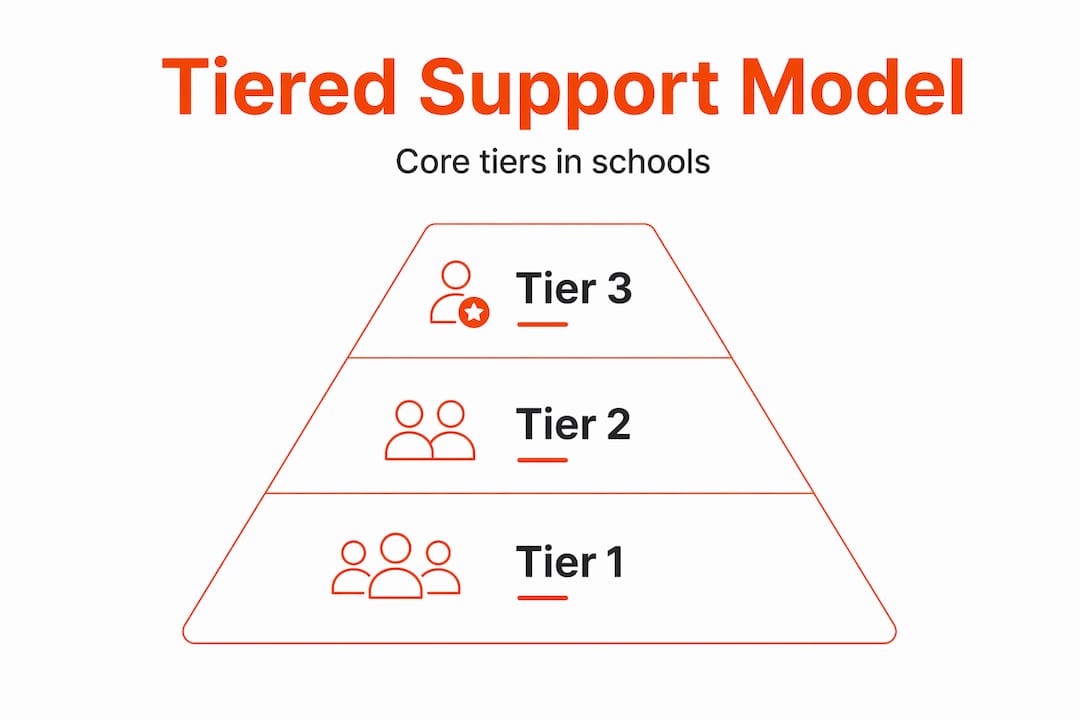
Understanding the tiered support model begins with its foundational logic: not every student needs the same level of support, and schools should not wait for a student to reach crisis point before intervening. The multi-tiered systems of support (MTSS) framework organizes this response into three distinct tiers, each defined by its intensity, scope, and target group.
Tier 1 is universal instruction, delivered to all students in every classroom. High-quality Tier 1 instruction is designed to meet the needs of 80% or more of the student population through evidence-based, culturally responsive teaching practices. When Tier 1 is working well, the majority of students thrive without additional intervention.
Tier 2 targets students who have not responded adequately to Tier 1 instruction. These students typically represent around 15% of the school population at any given time. Support is delivered in small groups, focusing on specific skill gaps in reading, mathematics, or social-emotional regulation, often in structured sessions running several times per week.
Tier 3 is reserved for students with persistent, significant needs who have not made sufficient progress at Tier 2. Tier 3 interventions are diagnostic-based, frequently delivered individually or in very small groups, and address both academic and behavioral concerns with high frequency.
| Tier | Target population | Type of support | Core goal |
|---|---|---|---|
| Tier 1 | All students (approx. 80%) | Universal, differentiated core instruction | Prevent academic and behavioral difficulties |
| Tier 2 | At-risk students (approx. 15%) | Small-group targeted intervention | Address emerging skill gaps early |
| Tier 3 | High-need students (approx. 5%) | Intensive, individualized intervention | Remediate persistent academic and behavioral needs |
Some districts have moved beyond the standard three-tier structure. A 5-level support system deliberately separates general education prescribed interventions (Levels 2 and 3) from legally mandated disability-related services (Levels 4 and 5). This distinction is particularly relevant for SENCOs and administrators navigating the boundary between intervention and formal identification under disability law.
Benefits and challenges of tiered support in practice
Why tiered models matter for schools
The benefits of tiered support model adoption are clearest when schools are managing large, diverse student populations with limited specialist staff. Current counselor-to-student ratios average 372:1 in many schools, making it logistically impossible for any one professional to provide individualized attention to every student in need. Tiered frameworks solve this by reserving specialist time for students who need it most, while building quality support into everyday instruction for everyone else.
Beyond resource efficiency, tiered models promote early identification. When Tier 2 is functioning well, teachers catch students falling behind weeks or months earlier than would otherwise happen, reducing the risk of compounding academic difficulties or escalating behavioral challenges. This early-identification function is particularly significant for students with neurodevelopmental conditions, who often go unrecognized without systematic screening processes. Strategies for identifying struggling students early are most effective when embedded within a tiered structure that prompts teachers to act on what they observe.
Where implementation breaks down
Despite the theoretical strength of the model, implementation frequently falls short. Research and real-world evidence consistently point to the same failure modes:
- Weak organizational culture. MTSS often fails in schools that lack stable communication, coherent leadership, and shared instructional vision. The framework cannot compensate for organizational dysfunction.
- Staff burnout and capacity gaps. Asking already stretched teachers to deliver Tier 2 interventions without adequate training, time, or resources produces superficial implementation rather than genuine support.
- Theory-practice disconnect. Schools that adopt MTSS documentation without changing classroom practice produce paperwork, not outcomes.
- Premature labeling. Students are sometimes moved to higher tiers based on administrative pressure or limited data rather than genuine progress monitoring, distorting the model’s purpose.
Pro Tip: Before introducing any tiered support framework, conduct an honest organizational readiness audit. Assess communication structures, leadership stability, and staff capacity. Attempting to implement MTSS in a school with unresolved leadership conflict or chronic understaffing typically produces exhaustion rather than improved outcomes.
Examples of tiered support at each level
Tier 1: universal instruction for all students
Effective Tier 1 practice looks different from traditional whole-class teaching in one critical way: it is systematically differentiated. Teachers use flexible grouping, varied instructional materials, and regular low-stakes checks for understanding to ensure the core curriculum is genuinely accessible to all learners. On the mental health side, Tier 1 includes school-wide programs such as social-emotional learning curricula, restorative practice frameworks, and mentally healthy school environments that reduce stigma around asking for help.
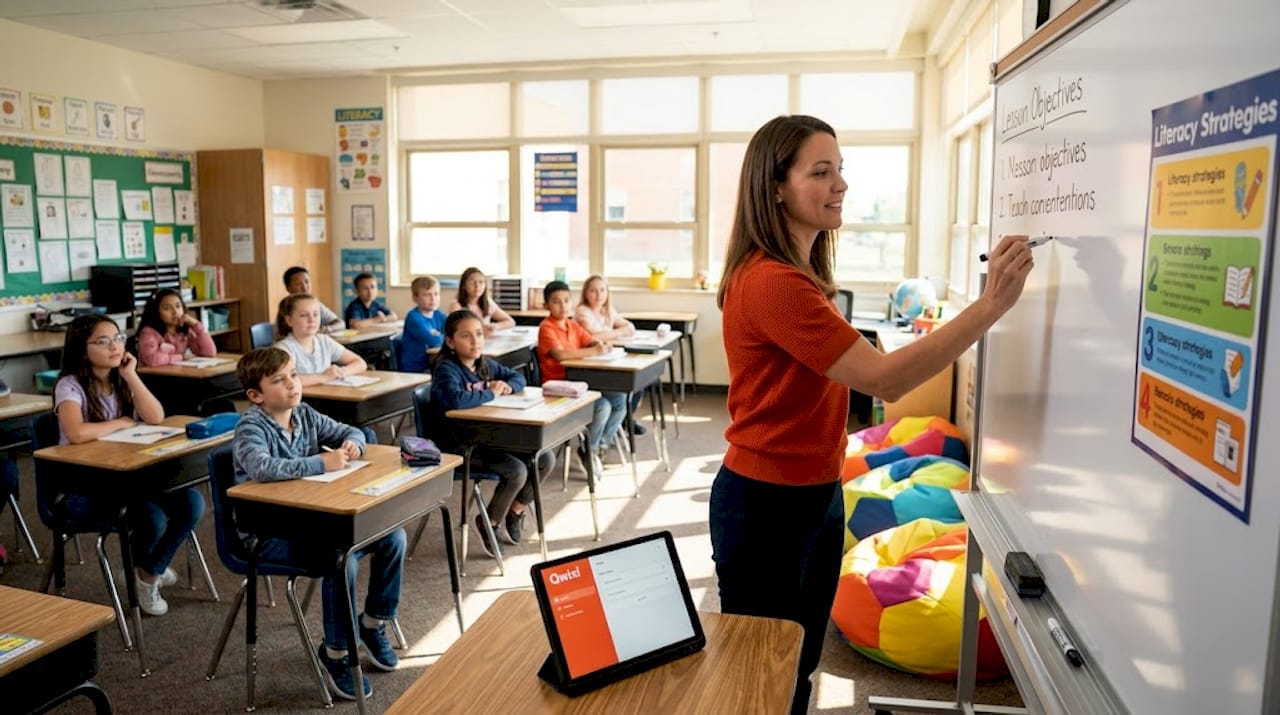
Tier 1 also includes pre-teach activities, where students who are predicted to find an upcoming unit challenging receive brief, targeted preparation before the main lesson. This practice keeps students in the mainstream classroom rather than removing them, which aligns with the principle that Tier 2 and 3 interventions should add to core instruction, not replace it.
Tier 2: targeted, small-group intervention
At Tier 2, the focus shifts to students who have not responded sufficiently to high-quality universal instruction. Common examples include:
- Reading intervention groups meeting three to four times per week, targeting phonics, fluency, or comprehension depending on diagnostic data.
- Math skills groups addressing specific numeracy gaps identified through universal screening.
- Social skills coaching groups for students showing early signs of social-emotional difficulty, delivered by a school counselor or psychologist.
- Check-in, check-out (CICO) behavioral support systems, where a designated adult briefly connects with a student at the start and end of each school day to set goals and review progress.
The defining characteristic of Tier 2 is structured data use. Intervention decisions are not based on teacher instinct alone. They are grounded in screening results, attendance patterns, and formative assessment data reviewed in regular team meetings.
Tier 3: intensive, individualized support
Tier 3 represents the most resource-intensive level of the framework, and it carries the most responsibility. Students at this level typically receive daily one-to-one or very small-group sessions addressing both academic and behavioral needs simultaneously. Examples include:
- Individualized reading programs using systematic, diagnostic phonics instruction delivered by a specialist daily.
- Functional behavior assessments followed by individualized behavior support plans developed collaboratively by teachers, school psychologists, and family members.
- Internal alternative provision arrangements for students who cannot access the mainstream classroom without additional environmental modifications.
- Online learning tools used as a personalized Tier 3 resource, allowing students to progress at their own pace with built-in feedback loops. Evidence-based student support practices increasingly incorporate adaptive digital tools at this level because they can respond to individual learning patterns in ways that static materials cannot.
It is critical to understand that Tier 3 is not a waiting room for special education referral. The majority of students who receive Tier 3 support do not have a formal disability classification, and many will step back to Tier 2 once intensive intervention produces measurable progress.
Data, monitoring, and team structures that drive results
The role of data in tiered decision-making
Tiered support models only function as intended when decision-making is systematically grounded in data. Schools use multiple data types to guide tier placement and intervention adjustments, typically including universal screening three times per year, ongoing progress monitoring every one to two weeks for students in Tier 2 and 3, diagnostic assessments to identify specific skill deficits, and attendance and behavioral data as early warning signals.
The critical point is that data should always drive upward and downward movement between tiers. A student who responds well to Tier 2 intervention should return to Tier 1 support when data confirms they are keeping pace. Keeping students in higher tiers longer than necessary is not caution. It is a misallocation of resources and a potential source of unnecessary stigma.
Building an effective tiered support team
A tiered model is only as strong as the team implementing it. Effective tiered teams typically include school counselors, psychologists, specialist teachers, the SENCO or special education coordinator, nurses, SEL leads, and community partners such as mental health practitioners or family liaison workers.
Key structural requirements for these teams include:
- Regular scheduled meetings to review progress monitoring data and make tier placement decisions collectively.
- Clear role delineation so that each team member understands who is responsible for which tier and which intervention.
- Documented communication protocols to prevent students falling between professional silos during transitions.
- Family involvement channels that keep parents genuinely informed, not just notified after decisions have already been made. Parents can play an active role in identifying early signals of difficulty, and their observations should be treated as data, not anecdote.
Pro Tip: With counselor-to-student ratios averaging 372:1, no single professional can sustain quality Tier 2 or 3 delivery alone. Schools that successfully implement tiered frameworks deliberately distribute intervention responsibilities across a trained multidisciplinary team rather than centralizing them in one role.
My perspective on what most schools get wrong
I’ve reviewed enough MTSS implementation plans to notice a pattern that almost no one talks about openly. Schools invest heavily in the framework documentation and almost nothing in the organizational conditions that make it work. The training events happen, the tier descriptions get written into policy, and then the model quietly collapses under the weight of day-to-day pressure because the culture was never ready to hold it.
What I’ve come to believe strongly is that Tier 3 carries an unfair psychological burden in most schools. Educators and administrators treat it as a last resort, something that signals failure somewhere up the chain. That mindset actively harms the students it is supposed to serve. Tier 3 should be viewed as a proactive and strategic step, a deliberate intervention decision made on the basis of data, not a destination students arrive at after everything else has failed them.
The critics who argue that MTSS assumes organizational stability most schools simply do not have are worth taking seriously. The model is not wrong. But it is frequently deployed in conditions that guarantee its failure, and the students who suffer most from that failure are the ones with the most complex needs. My honest advice to any administrator considering implementation: fix your leadership alignment and communication structures first. The tiers will follow.
— Luke
How Qwixl supports tiered intervention in your school
Qwixl is built around the reality that effective tiered support depends on accurate, timely information about how students are actually learning. Qwixl Homework captures signals from student writing and engagement patterns, surfacing SEN-relevant insights without diagnostic labeling, so teachers can act earlier and with greater confidence at every tier. Qwixl Milo integrates directly into Google Docs to provide real-time support signals, helping educators tailor Tier 2 and Tier 3 responses to individual learning patterns rather than relying solely on periodic assessments. For administrators seeking a platform that connects student support tools with evidence-informed tracking across all three tiers, Qwixl offers a cohesive approach grounded in privacy-conscious, research-informed design. Explore what Qwixl can do for your school’s tiered support practice.
FAQ
What is the tiered support model in schools?
The tiered support model is a school-wide framework that organizes academic and behavioral interventions by intensity across three tiers: universal support for all students, targeted support for those at risk, and intensive individualized support for students with persistent needs.
How does tiered support work for students with special educational needs?
Students with SEN may receive Tier 2 or Tier 3 supports based on progress monitoring data, with interventions tailored to their specific academic or behavioral profiles. Tiered support is not the same as special education, and Tier 3 interventions do not automatically lead to a formal disability classification.
What percentage of students need Tier 3 support?
Research indicates that approximately 5% of students require Tier 3 intensive intervention at any given time, while around 15% benefit from Tier 2 targeted support and 80% or more are served adequately through high-quality Tier 1 universal instruction.
Why does MTSS implementation fail in some schools?
MTSS implementation frequently fails in schools that lack stable leadership, clear internal communication, and a coherent instructional culture. Without these organizational foundations in place, tiered frameworks produce documentation rather than meaningful student outcomes.
What data does a school need to run a tiered support model?
Schools typically rely on universal screening conducted three times per year, progress monitoring every one to two weeks for students in Tier 2 and Tier 3, diagnostic assessments, and behavioral and attendance data to make informed decisions about tier placement and intervention adjustments.